.svg)

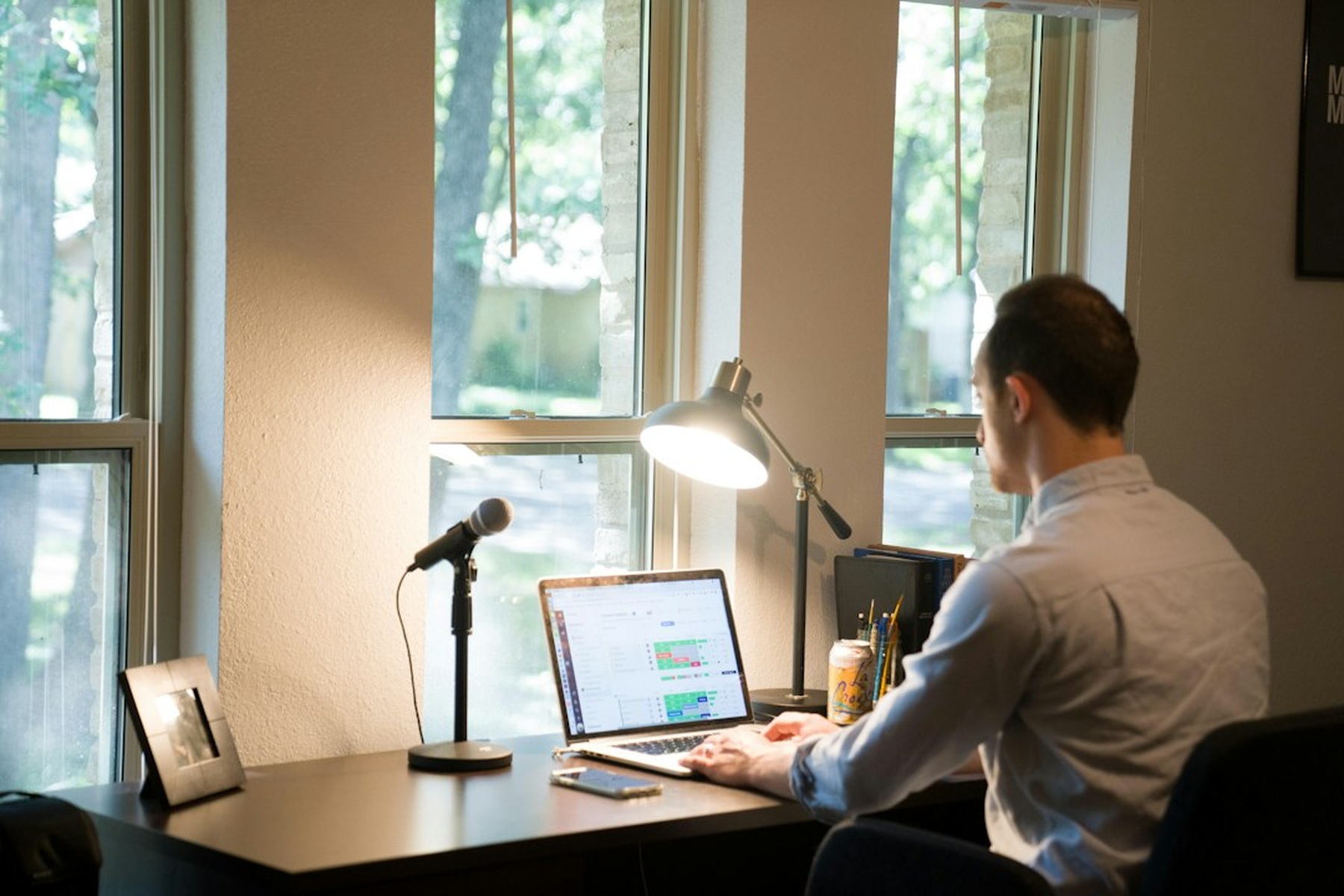
Detoxing from alcohol at home is unsafe for anyone with heavy, daily, or long-term drinking, because withdrawal can escalate to seizures and delirium tremens with little warning. Our medical team's honest answer is that home detox is only reasonable for light drinkers cleared by a physician first, and even then supervision beats solitude.
Why Does Home Detox Fail So Often?
Home detox fails for 3 reasons that have nothing to do with willpower:
Medical risk: seizures and DTs strike in the 24-to-96-hour window, faster than help can arrive
Symptom pressure: a drink instantly relieves withdrawal, making relapse the path of least resistance
No support: insomnia, anxiety, and dread at 3 a.m. break resolve that felt solid at noon
The relapse math is brutal. The moment symptoms peak, the person is home, alone, and often within walking distance of relief. Environment defeats intention.
Who Actually Qualifies for Outpatient or Home-Based Detox?
Physician-supervised outpatient detox fits a narrow profile: short drinking history, moderate intake, no prior withdrawal complications, no seizure history, and a sober adult present around the clock. A medical assessment makes that call, not a self-diagnosis, and the difference between settings is explained in inpatient vs outpatient rehab.
What Does Medical Detox Provide That Home Cannot?
Medical detox provides 4 things a home never can: medications that prevent seizures and calm the nervous system, 24/7 clinical monitoring, immediate escalation if complications emerge, and physical separation from alcohol during the most vulnerable 5 to 7 days. The full experience is detailed in everything you need to know about detox in rehab, and in our private residential setting it happens in comfort rather than a hospital corridor.
What Should Someone Do Instead of Detoxing Alone Tonight?
Call for a confidential medical assessment before stopping abruptly, because for heavy drinkers, suddenly quitting cold is itself the dangerous act. Detox then connects into 28 and 30 day residential rehab and alcohol addiction treatment that addresses why the drinking took hold.
What Does the First 24 Hours of Supervised Detox Look Like?
The first 24 hours follow a calm, predictable sequence:
A medical intake and history within the first hour of arrival
Baseline vitals and standardized withdrawal scoring every few hours
First comfort and stabilization medications before symptoms peak
A private room, meals, and rest while the body begins adjusting
Clients consistently report the same surprise: the fear of detox was worse than the experience of a managed one. Removing the unknown is half the treatment.
What Do People Get Wrong About Tapering at Home?
Home tapering fails for 3 reasons that show up in nearly every attempt clients describe:
Cravings make the taper schedule impossible to follow alone
Symptoms are treated as willpower problems rather than medical ones
Danger signs are missed because no one is monitoring vitals
Discipline is not the missing ingredient. Clients who could not taper at home routinely complete supervised detox comfortably, because the problem was never character.
What Should Family Do If Someone Insists on Detoxing at Home?
If someone insists, never leave them alone, keep a phone available, and call emergency services immediately at any sign of confusion, hallucination, seizure, or high fever. Offer a call to a alcohol addiction treatment as the alternative rather than an argument.
What Does Medical Detox Cost Compared to the Alternative?
Detox costs vary by program and insurance coverage, and most major plans include some level of benefit for medically necessary withdrawal management. Weigh that against an emergency admission, which arrives unplanned, costs more, and treats a crisis rather than preventing one. Verifying benefits takes 1 phone call.
Related Questions About Starting Detox
How Long Does the Whole Process Take?
Acute detox runs 5 to 7 days for most clients, and what happens in alcohol addiction rehab shows how those days fit the larger program.
What Should You Bring if You Come In?
Pack light and practical, and our checklist of things you should and shouldn't bring to rehab removes the guesswork the night before.
BLOG 09 OF 10