.svg)


Rehab aftercare is the structured support system put in place after a person leaves residential or inpatient treatment to maintain sobriety during the high-risk transition back to independent daily life. Research consistently shows that aftercare significantly reduces relapse rates, and that longer engagement with aftercare produces better long-term outcomes than residential treatment alone.
Why the Period After Residential Treatment Is High Risk
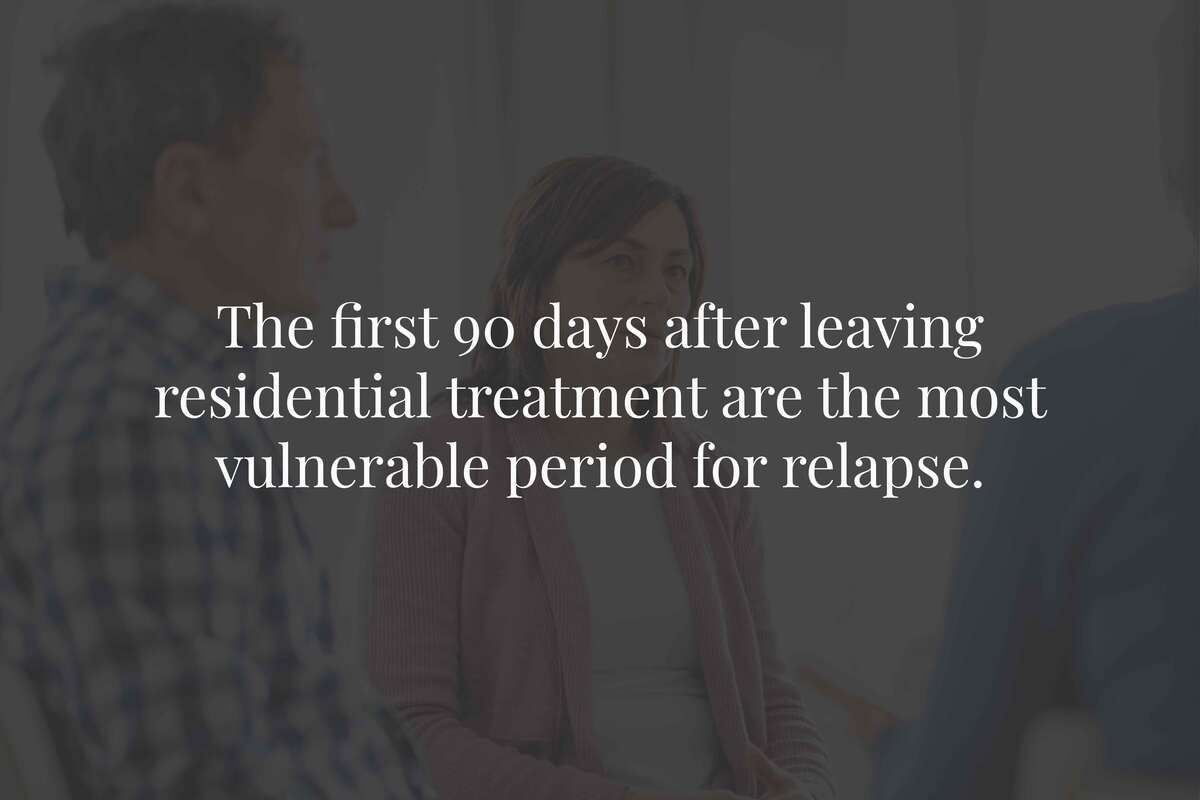
The first 90 days after leaving residential treatment represents the period of highest relapse risk. During inpatient treatment, the person is removed from their triggers, supported by a structured environment, and surrounded by clinicians and peers in recovery. Discharge returns them to the same environment, relationships, and daily stressors that were present during active use. Without structured support during this transition, many people relapse within the first month after discharge, not because treatment failed but because the bridge from residential care to independent sobriety was not adequately built.
What Aftercare Typically Includes
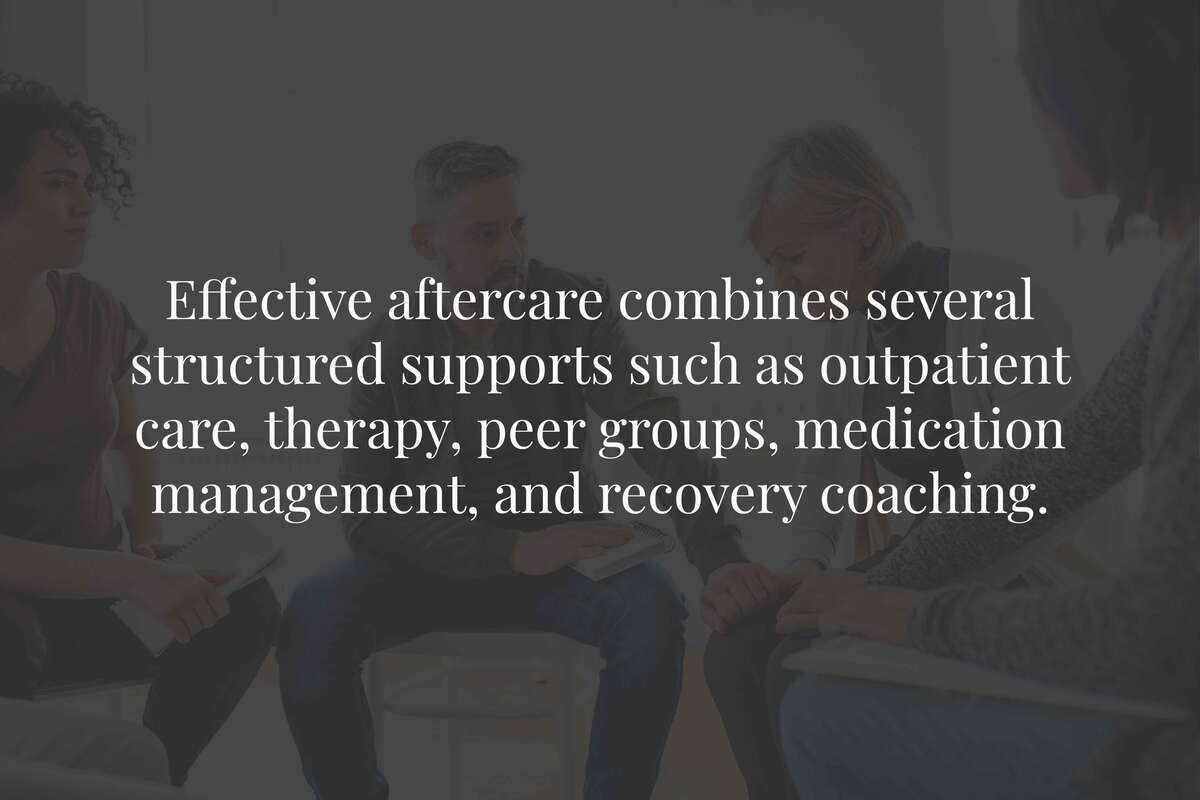
Comprehensive aftercare plans commonly incorporate 5 components: step-down clinical programming through intensive outpatient or outpatient programs, ongoing individual therapy with a licensed clinician who specializes in addiction and mental health, participation in peer support communities such as 12-step programs or SMART Recovery, continued psychiatric medication management where applicable, and regular check-ins with a case manager or recovery coach.
Intensive Outpatient Programs as Aftercare
Intensive outpatient programs, commonly called IOPs, provide structured group and individual therapy several days per week for several hours per day, typically 9 to 20 hours per week. IOPs allow the person to live at home or in a sober living environment while receiving clinical support at a level of intensity that bridges the gap between inpatient and standard outpatient care. Research supports IOPs as an effective aftercare modality, particularly when they are clinically matched to the individual's level of need at discharge.
The Role of Peer Support in Aftercare
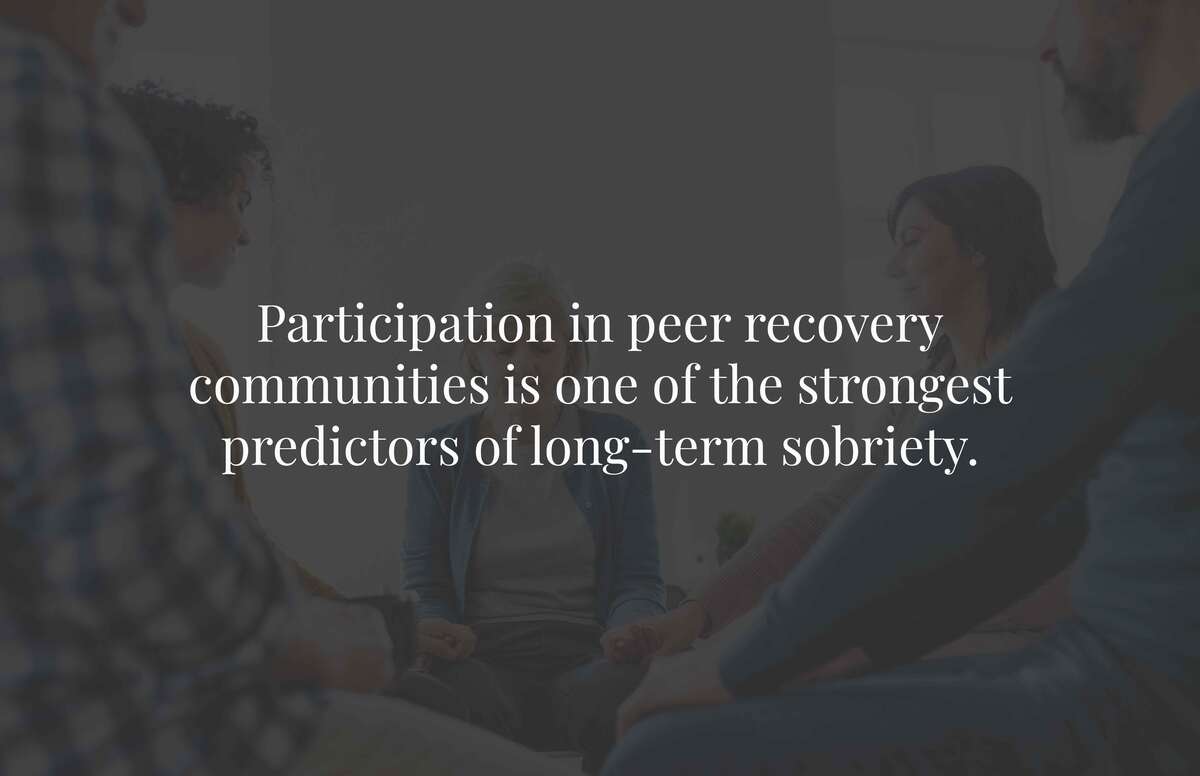
Peer support communities provide ongoing social accountability and connection to people who understand the recovery experience from the inside. 12-step programs including Alcoholics Anonymous and Narcotics Anonymous, SMART Recovery, and recovery community centers all provide structures for sustained peer connection. Studies examining long-term recovery outcomes consistently find that active participation in peer support after treatment is one of the strongest predictors of sustained sobriety beyond the first year.
Sober Living as Aftercare
For people who are returning to a home environment that includes active substance use or who lack stable, sober housing, a structured sober living home provides a substance-free residential environment with accountability and community. Residents typically pay rent, follow house rules requiring sobriety, and attend required recovery activities. Research on recovery housing, including a 2010 longitudinal study by Polcin and colleagues, found that residents showed sustained improvements in substance use, employment, and legal status at 18-month follow-up.
How Aftercare Plans Are Developed
Effective aftercare planning begins during residential treatment, not at discharge. A clinical team that includes the primary therapist, case manager, and where applicable a psychiatrist develops a specific, individualized plan based on the client's risk level, home environment, mental health profile, and available support systems. The plan names specific programs, providers, and scheduled appointments rather than general recommendations, because research shows that specific and pre-scheduled aftercare connections produce significantly higher engagement than general referrals.
Warning Signs That More Support Is Needed After Discharge
Several behavioral and emotional patterns in the weeks after discharge signal that the current level of aftercare support is insufficient. Increasing isolation from sober contacts and recovery support communities, declining engagement with outpatient therapy or IOP sessions, sleep disruption, irritability, and the re-emergence of the cognitive distortions that characterized active use are all early warning signs. Reconnecting with the treatment facility's alumni program or clinical staff when these signs appear, rather than waiting for a full relapse, is the most effective use of aftercare support. Many residential treatment programs including Studio City Recovery maintain alumni contact and check-in protocols specifically designed to identify and respond to these early warning patterns before they escalate into relapse. Research supports that people who remain in regular contact with their treatment program during the first year after discharge have significantly lower relapse rates than those who disengage entirely from clinical contact, underscoring why aftercare engagement rather than aftercare planning alone is the relevant measure of success.
Continuing Care at Studio City Recovery
Studio City Recovery includes structured aftercare planning as a core component of every residential treatment episode. Learn about our aftercare program and how we support clients through the transition from residential to independent living.
Our outpatient treatment program provides step-down clinical support for clients completing residential care. Visit our outpatient treatment page for details.
To discuss aftercare planning as part of a comprehensive treatment approach, contact us through the contact page.