.svg)


A typical day in residential rehab follows a structured schedule from early morning through the evening, built around individual therapy, group therapy, meals, physical activity, and personal reflection time. That structure is deliberate: predictable routine helps the brain recalibrate after the chaos of active addiction and replaces the time previously consumed by obtaining and using substances.
Morning: Establishing the Day's Foundation
Most residential programs begin between 6:30 and 7:00 a.m. with medication administration for clients receiving pharmacological support, followed by breakfast. Many programs incorporate a morning mindfulness session, brief meditation, or yoga practice before the clinical day begins. These early holistic activities are not incidental. Research consistently shows that beginning the day with regulated breathing and focused attention reduces cortisol levels and improves engagement in subsequent therapeutic work.
The morning's first structured session is typically a community meeting where all residents and clinical staff gather to discuss the day's schedule, share reflections, and address any group-level concerns. This meeting builds accountability and social cohesion across the residential community.

Late Morning: Individual and Group Therapy
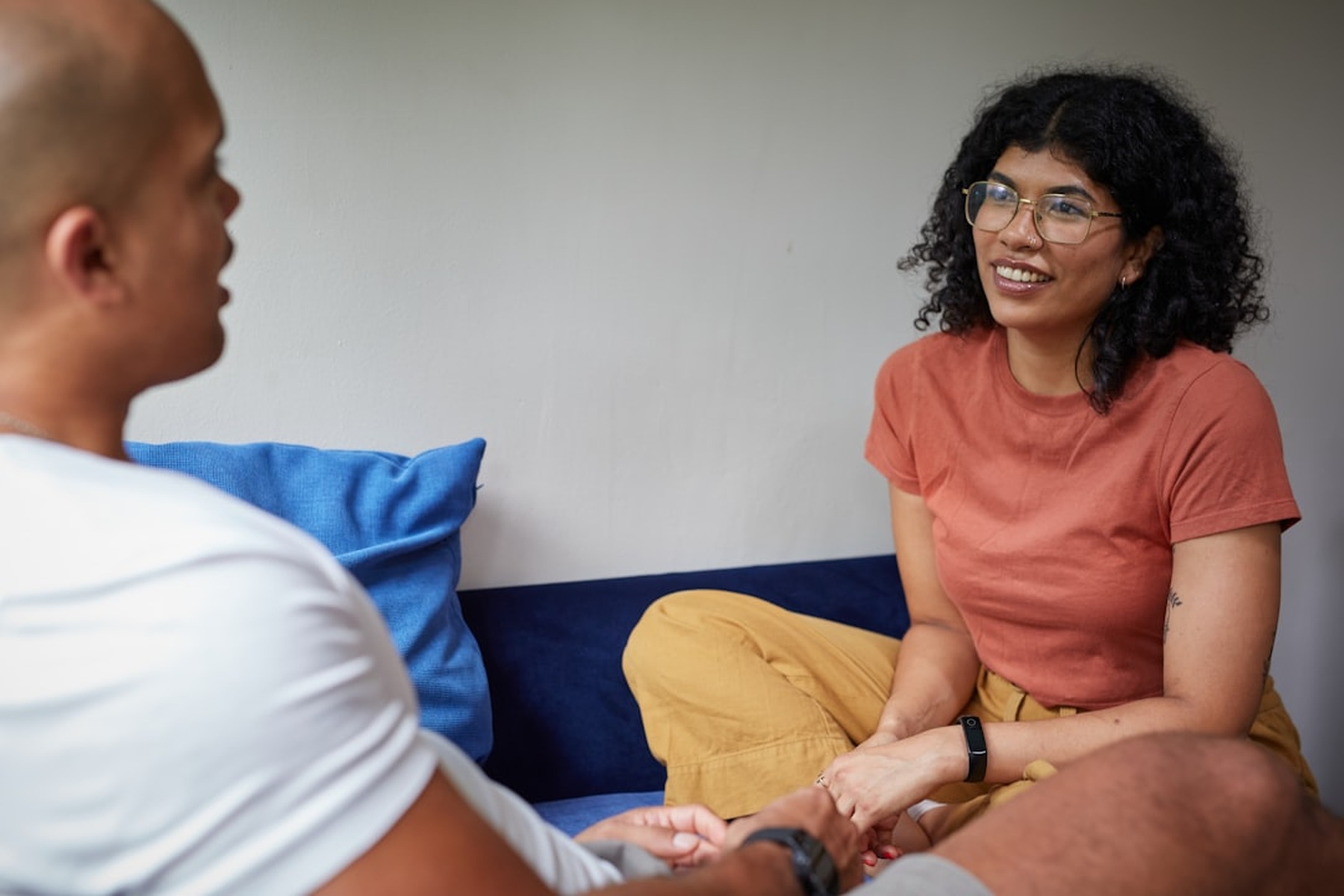
The clinical core of each day begins mid-morning with a combination of individual and group therapy sessions. Individual therapy is typically conducted 3 to 5 times per week in 50-minute sessions with an assigned primary therapist. These sessions address the personal history, emotional triggers, and behavioral patterns specific to each client's addiction and mental health profile.
What Group Therapy Looks Like in Practice
Group therapy in residential treatment differs substantially from a 12-step meeting. It is facilitated by a licensed clinician and uses evidence-based modalities including CBT, DBT skills training, motivational interviewing, and process therapy. Groups typically include 6 to 12 residents and address specific topics such as identifying triggers, emotional regulation, communication, or relapse prevention. Research published in the Journal of Substance Abuse Treatment shows that group-based CBT in residential settings produces outcomes equivalent to individual therapy, with the added benefit of peer support and normalization.

Afternoon: Skills, Wellness, and Unstructured Time
Following lunch, the afternoon typically alternates between structured skills training sessions and wellness activities. Skills sessions may cover topics such as managing cravings, communication in relationships, financial planning, or sleep hygiene. These sessions prepare clients for practical realities of life after discharge. Wellness activities vary by facility but commonly include yoga, personal fitness time, outdoor walks, art therapy, or meditation.
Most programs also schedule some unstructured free time in the afternoon. This period is clinically significant because it mirrors the open time that characterizes post-treatment daily life. Learning to use unoccupied time without turning to substances is a core recovery skill that must be practiced during treatment.

Family Sessions and Specialty Groups
Several times per week, clients may participate in family therapy sessions conducted via video call or in person, and specialty groups addressing specific conditions such as trauma, grief, dual diagnosis, or relationship patterns. These targeted groups address the underlying factors that drive substance use rather than only the use itself.
Evening: Community, Reflection, and Rest
Evenings in residential rehab are structured around recovery support meetings and personal reflection. Most programs hold an on-site 12-step, SMART Recovery, or alumni-facilitated meeting after dinner. This introduces clients to peer support communities they can engage with after discharge. Journaling, reading, and free socializing with other residents round out the evening before a structured lights-out time typically between 10:00 and 11:00 p.m.
The deliberate scheduling of sleep is not incidental. Sleep disruption is one of the most reliable relapse triggers in early recovery, and restoring a healthy sleep cycle is treated as a clinical priority throughout residential treatment.
What to Expect on Weekends in Residential Treatment
Weekend schedules in residential treatment differ from weekday programming. Formal group therapy and individual sessions are typically reduced or replaced with recreational activities, community outings, family visitation hours, and peer-led recovery meetings. The reduced structure is clinically deliberate. Recovery requires learning to navigate unstructured time without the support of a scheduled environment, and weekends provide supervised practice for exactly this challenge. Activities during weekends may include hiking, creative arts, cooking classes, or community service projects, all of which support the development of new positive habits that replace the role substances previously played in the person's leisure time. Some programs also offer optional 12-step or SMART Recovery meetings on weekend evenings to maintain continuity with the peer support community outside the facility.
How Studio City Recovery Structures the Day
The daily schedule at Studio City Recovery is designed around evidence-based therapy, holistic wellness, and personalized care. Learn more about our approach on our programs page.
Individual and group therapy are cornerstones of our clinical model. Explore the full range of therapies we offer and how each supports long-term recovery.
To discuss what a personalized treatment plan would look like for you or a loved one, visit our contact page and speak with our admissions team.