.svg)

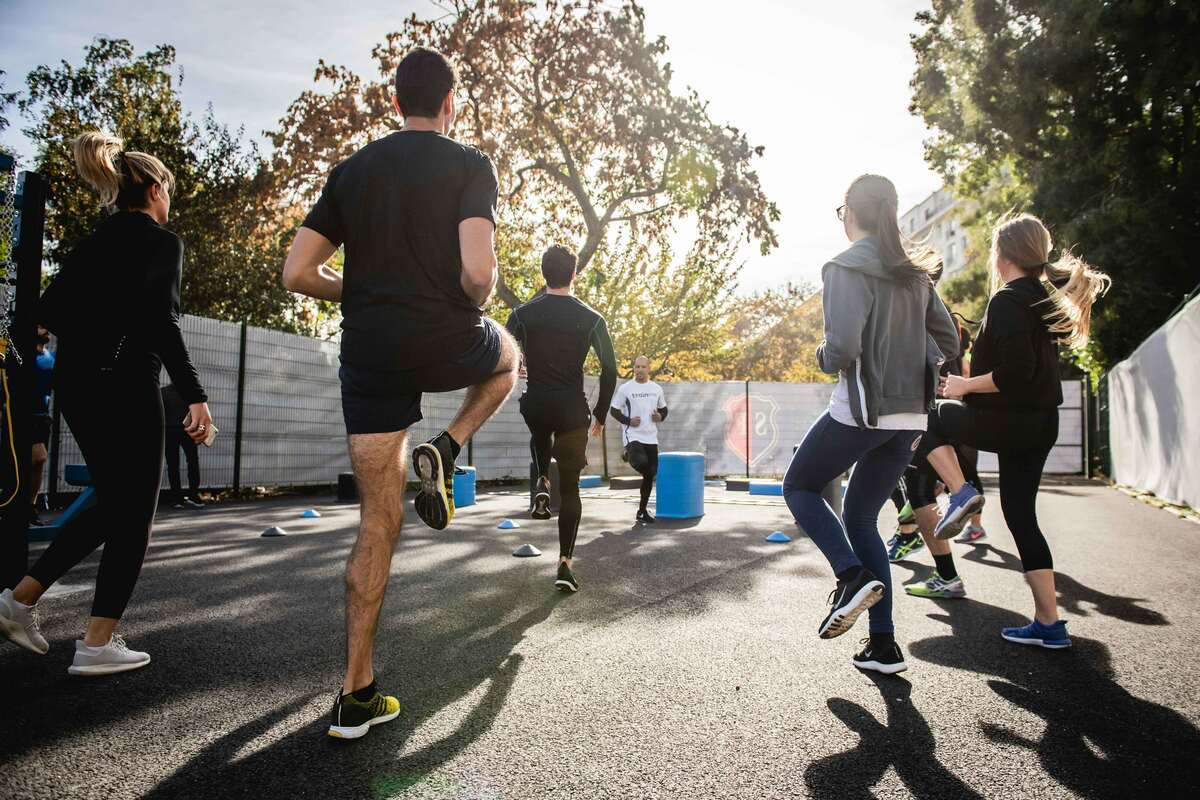
Exercise is one of the most effective tools for supporting addiction recovery. Physical activity not only strengthens the body after substance use but also improves mental health, reduces cravings, and supports long-term sobriety. A well-structured exercise plan can become a cornerstone of a sustainable recovery lifestyle.
The Physical Benefits of Exercise in Recovery
Substance use often takes a serious toll on the body, leading to muscle loss, poor cardiovascular health, and a weakened immune system. Exercise helps reverse these effects by:
- Improving heart and lung function
- Rebuilding muscle and stamina
- Supporting healthy sleep patterns
- Enhancing digestion and metabolism
Regular movement helps the body detox more efficiently and speeds up the process of physical healing after substance dependence.
Boosting Brain Chemistry and Mood Regulation
Exercise directly affects the brain by triggering the release of natural feel-good chemicals, including endorphins, dopamine, and serotonin. These chemicals are essential for mood stabilization and stress management. This is especially important for those recovering from substances that alter or deplete these neurotransmitters.
Regular physical activity can:
- Reduce symptoms of depression and anxiety
- Improve concentration and focus
- Lower stress and emotional reactivity
- Strengthen motivation and sense of accomplishment
In recovery, this mental clarity can help individuals resist triggers and make healthier decisions.
Yoga as a Therapeutic Tool in Addiction Recovery
Yoga therapy is used as part of a holistic treatment plan. Yoga supports physical recovery while also providing emotional regulation and mindfulness. Benefits include:
- Gentle movement for injury recovery or limited mobility
- Breathwork to manage cravings and anxiety
- Poses that reduce physical tension and trauma stored in the body
- Practices that build body awareness and self-compassion
Yoga’s focus on presence and discipline offers tools for navigating urges and setbacks in recovery.
The Power of Nature and Movement
Outdoor activity amplifies the benefits of exercise by engaging all the senses and connecting individuals to something greater than themselves. According to this guide, nature-based movement helps:
- Reduce cortisol levels (stress hormone)
- Improve vitamin D levels from sunlight exposure
- Build positive daily routines
- Reinforce social connection through group hikes, walks, or outdoor classes
Recovery is not only about avoiding substances, it’s about creating a fulfilling, balanced lifestyle.
Building an Exercise Routine That Supports Sobriety
A successful exercise program in recovery should be:
- Consistent: Daily movement, even for 15–30 minutes, builds long-term habits
- Adaptable: Start small with walking, stretching, or bodyweight exercises
- Enjoyable: Choose activities that feel good to build intrinsic motivation
- Balanced: Combine cardio, strength training, and flexibility work
Group fitness classes or personal training options are often available at recovery centers and can help individuals stay accountable while building a sense of community.
Common Questions About Exercise and Recovery
What if I've never worked out before?
Start simple: walking, yoga, or swimming are low-impact and easy to begin. A structured rehab program often includes beginner-friendly fitness options.
Can exercise replace cravings?
Yes, in many cases. Physical activity triggers the same reward centers as drugs or alcohol, but in a healthy way. Exercise can reduce both the intensity and frequency of cravings.
What types of exercise are best?
There’s no one-size-fits-all answer. The most effective exercise is one you enjoy and will stick to. Yoga, dance, martial arts, hiking, and team sports are all great options.
Movement as a Path to Recovery
Exercise builds more than physical strength, it restores confidence, purpose, and identity beyond addiction. Whether through yoga therapy at Studio City Recovery or outdoor activities that reconnect you to nature, movement becomes a powerful anchor in your healing process.